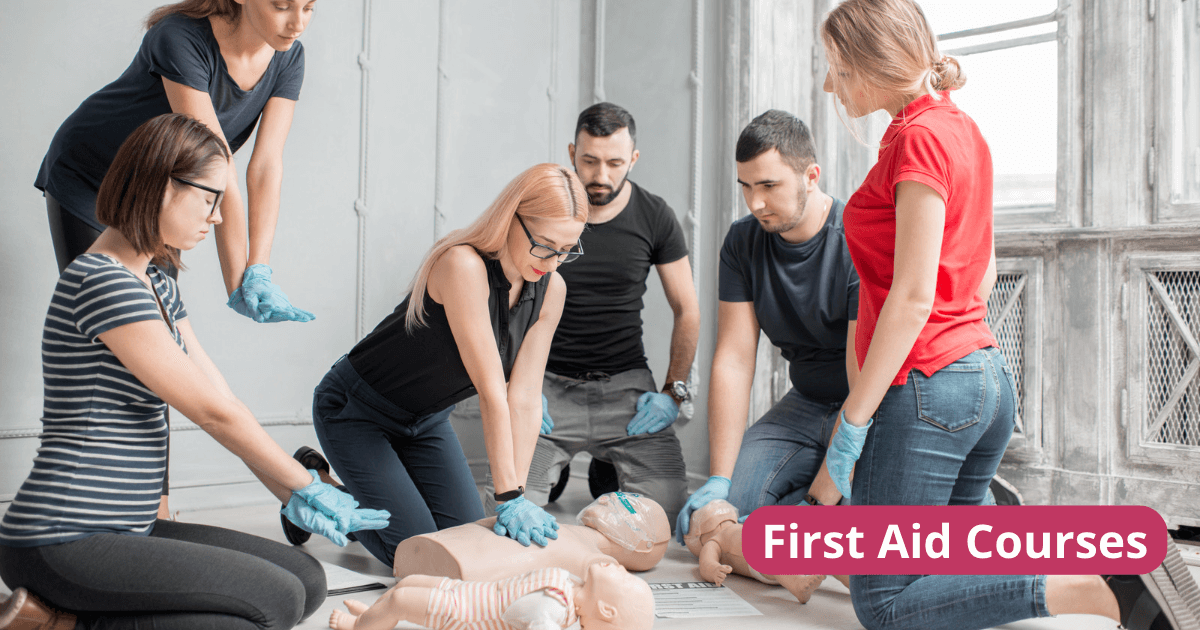
Every week in Jandakot somebody encounters a circumstance where fundamental first aid understanding would transform an outcome. Whether that is a work environment case near the flight terminal, a backyard burn, or a child who has diminished a bike, the time in between injury and expert healthcare often identifies recovery and household stress and anxiety. People sign up for a first aid course Jandakot for many factors: to meet workplace compliance, to get ready for a showing off club lineup, or simply to feel geared up when something goes wrong. Yet alongside the useful training rest relentless myths that threaten self-confidence and delay ideal action. This article separates truth from fiction and provides functional assistance for anyone taking into consideration first aid training in Jandakot or refreshing their CPR skills.
Why the misconceptions matter
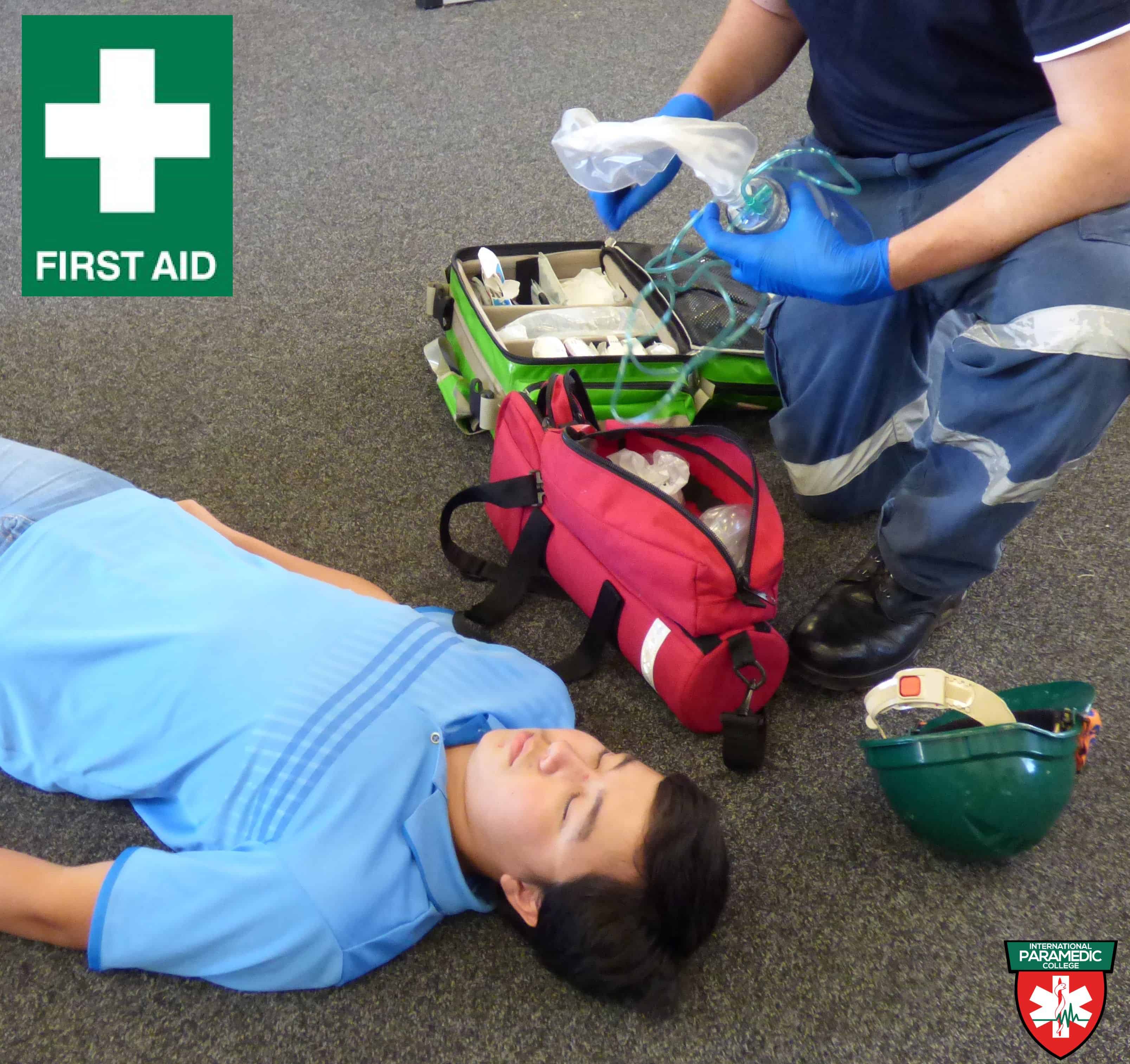
Misconceptions about hemorrhaging control, CPR, and when to call emergency solutions lead to reluctance. Reluctance converts into shed mins and in some cases preventable problems. Courses such as a first aid and CPR jandakot program educate hands-on techniques, but they likewise fix false beliefs. My purpose right here is not to change training, however to clarify what is risk-free, efficient, and legitimately practical. If you live or work in Jandakot and are selecting in between providers like First Aid Pro Jandakot or a community-provider course, comprehending the realities will certainly assist you choose the ideal training and feel confident using it.
A note on course types and certificates
First aid course Jandakot offerings vary from basic four-hour certifications to extensive one- or two-day recognized courses that include CPR, automated external defibrillator usage, and administration of anaphylaxis. Many employers require a nationally acknowledged first aid certificate Jandakot that abides by neighborhood workplace criteria. There are also CPR refresher course Jandakot choices for those whose qualification is nearing expiration; capability fades rapidly without technique, specifically for upper body compressions and AED usage. When contrasting first aid training Jandakot carriers, inspect whether the certificate is country wide identified, whether functional abilities are analyzed, and just how much hands-on time you will obtain with manikins and AED trainers.
Myth 1: You should await a rescue before relocating a hurt person
This is one of one of the most hazardous misunderstandings in everyday occurrences. Individuals often think motion equates to making points worse, so they delay any relocation. Reality is extra nuanced. If a harmed individual is in prompt threat from web traffic, fire, or collapse, moving them thoroughly to security is proper. Similarly, if proceeded positioning concessions breathing or flow, a modification is needed. On the various other hand, if a person has believed back injury and is stable where they are, very little movement is generally best till paramedics get here. Training in a Jandakot first aid course will teach risk-free techniques for moving someone when required, and exactly how to determine when to immobilise and when to reposition for airway management.
Myth 2: If you are unsure whether to call triple no call later on or after a while
The proper approach is to call 000 quickly when there is any type of doubt about life-threatening problems. Indicators include serious bleeding, unconsciousness or altered level of awareness, difficulty breathing, upper body pain, believed stroke, or extreme allergies. Emergency dispatchers can guide by phone and maintain you acting up until paramedics arrive. Postponing the telephone call due to the fact that you hope the situation will improve can set you back useful time. First aid and CPR courses in Jandakot emphasise very early activation of emergency solutions as an important step in the chain of survival.
Myth 3: CPR is only for adults and only if the person has quit breathing
CPR and fundamental resuscitation strategies vary by age, however chest compressions and rescue breaths can be lifesaving for infants, children, and grownups. For targets that are less competent and not breathing usually, CPR must begin quickly. For children, rescuers use gentler compression deepness and different hand positioning. Many individuals think that "not taking a breath" should suggest complete cessation of any breath, however agonal gasps or unusual breathing patterns are not effective breathing. Acknowledging ineffective breathing and starting CPR earlier improves end results. Neighborhood CPR course Jandakot sessions often include kid and baby components due to the fact that those scenarios prevail and need adjusted technique.
Myth 4: You require costly equipment to regulate extreme bleeding
Severe blood loss can often be handled properly with techniques educated in typical courses. Straight stress with a tidy clothing, elevation of the limb when ideal, and pressure bandaging can manage most bleeding. Training covers when to apply a tourniquet and how to do so safely. While a correct industrial tourniquet is excellent, improvised ones can be lifesaving in extreme conditions if applied correctly. The key is quick activity. First aid training in Jandakot will certainly offer you sensible practice to ensure that regulating bleeding comes to be a positive response rather than a guess.
Myth 5: Just clinically skilled individuals should utilize an AED
Automated exterior defibrillators are designed for layperson use and consist of voice triggers and safety and security features that reduce the threat of harm. Spectators learnt CPR and AED use noticeably raise the possibility of survival in sudden heart attack. Public gain access to AEDs are increasingly existing in offices, shopping centres, and sporting facilities around Jandakot. A first aid and CPR course Jandakot will include supervised AED technique so guests leave comfortable transforming one on and following its instructions.
How training corrects these myths
Good courses change uncertainty with muscle mass memory. Practical repeating in a regulated environment enhances the proper sequence: examine scene security, check responsiveness, phone call emergency services, open air passage, check breathing, begin CPR or control bleeding as required, and use an AED when shown. A high quality Jandakot first aid course ensures you practice compressions to the recommended depth and rate, use dressings that stay secure, and collaborate with others in multi-rescuer scenarios. Trainers with actual emergency response experience mention situational subtleties that a textbook alone can not convey, such as managing spectator panic or making quick choices when specialist help is delayed.
Choosing the appropriate service provider in Jandakot
Not all first aid courses are equivalent. Some carriers concentrate on brief, low-priced sessions that tick a box for workplace induction without sufficient hands-on skills. Others, including reputed neighborhood instructors, equilibrium concept with reasonable scenario practice and ongoing analysis. When selecting a first aid course in Jandakot, think about these useful requirements: course size about promoted material, class size for practical time, whether skills are assessed on manikins and AED fitness instructors, and whether the certificate is nationally identified if that matters for task conformity. Ask about follow-up options, such as a CPR correspondence course Jandakot, since retention decreases without routine practice.
What a practical course routine looks like
An extensive one-day first aid and CPR course Jandakot normally begins with an introduction of legal and safety responsibilities, adhered to by introductions to airway monitoring, CPR on grownups and kids, use of an AED, and management of bleeding, shock, burns, cracks, and choking. Practical abilities alternating with brief situation drills where participants turn functions and technique choice making under mild tension. Expanded certified courses include formal evaluation components that satisfy governing requirements for workplace needs. Much shorter half-day sessions can cover CPR and basic life fast first aid course assistance and work for clubs and small groups that require targeted skills as opposed to a complete first aid certificate Jandakot.
What to bring and just how to prepare for a course
Arrive prepared to exercise. Comfy apparel that enables you to kneel and move makes hands-on sessions easier. Bring picture ID if the carrier requires it for accreditation. Lots of courses currently offer manikins and tools, yet if you have a previous certificate bring it along so instructors can customize the session to your needs.
Checklist for attendees
- comfortable clothing appropriate for kneeling and moving photo recognition for qualification if required previous first aid certificate if you are renewing or refreshing a note pad or tool for individual notes regarding techniques and neighborhood resources willingness to practice skills with other participants
These easy prep work guarantee you get one of the most from class time and leave with usable proficiency rather than surface knowledge.
Handling edge situations and trade-offs
First help frequently calls for judgment telephone calls rather than strict policies. For example, with a presumed broken leg: splinting is essential, but relocating the individual might boost pain or create further injury if done about. In remote settings around Jandakot where rescue feedback may take much longer, improvisated splints and careful tracking come to be more crucial. For serious allergic reactions, epinephrine autoinjectors provide rapid sign control, however training covers when to carry out and the demand to still call emergency services. Throughout a CPR occasion, bystander exhaustion is real; swapping compressors every 2 mins maintains compression quality. Good training goes over these trade-offs and techniques multi-rescuer coordination so changes are smooth.
Real-world examples from regional practice
A little production center near Jandakot Flight terminal once had an incident where an employee endured a deep laceration to the forearm. A colleague who had completed an office first aid course used a pressure dressing, raised the arm or leg, and preserved direct stress while another team member called triple no. The target needed sutures, but the bleeding was regulated and the individual stayed mindful and oriented. An additional situation involved a child at a neighborhood sports club who fell down after a fall. Quick recognition of altered breathing and immediate CPR by a trained parent, together with an AED from the club, added to a favorable end result. These occasions show how training in Jandakot contexts translates to efficient on-the-spot response.
Updating skills and handling self-confidence fade
Skills like breast compressions and using dressings decay if not practised. Many registration bodies recommend CPR refreshers every year and a full first aid certificate revival every three years for office conformity. For people that utilize these abilities less frequently, regular brief refreshers make the difference between thinking twice and acting decisively. Many training carriers in Jandakot provide CPR refresher course Jandakot sessions that concentrate on functional compression practice, AED familiarisation, and quick evaluations to restore confidence.
Legal and office considerations
In Australia, Good Samaritan legislations shield onlookers who provide practical help in an emergency. Still, workplaces have explicit tasks under work-related health and wellness regulation to offer ample first first aid pro jandakot aid sources and training. Employers in Jandakot should guarantee personnel protection, available first aid kits, and an authorized first aid certificate Jandakot for assigned first aid policemans. Courses that consist of first aid and CPR jandakot modules help organisations fulfill these responsibilities and decrease responsibility by showing positive treatment training.
How to practice outside an official course
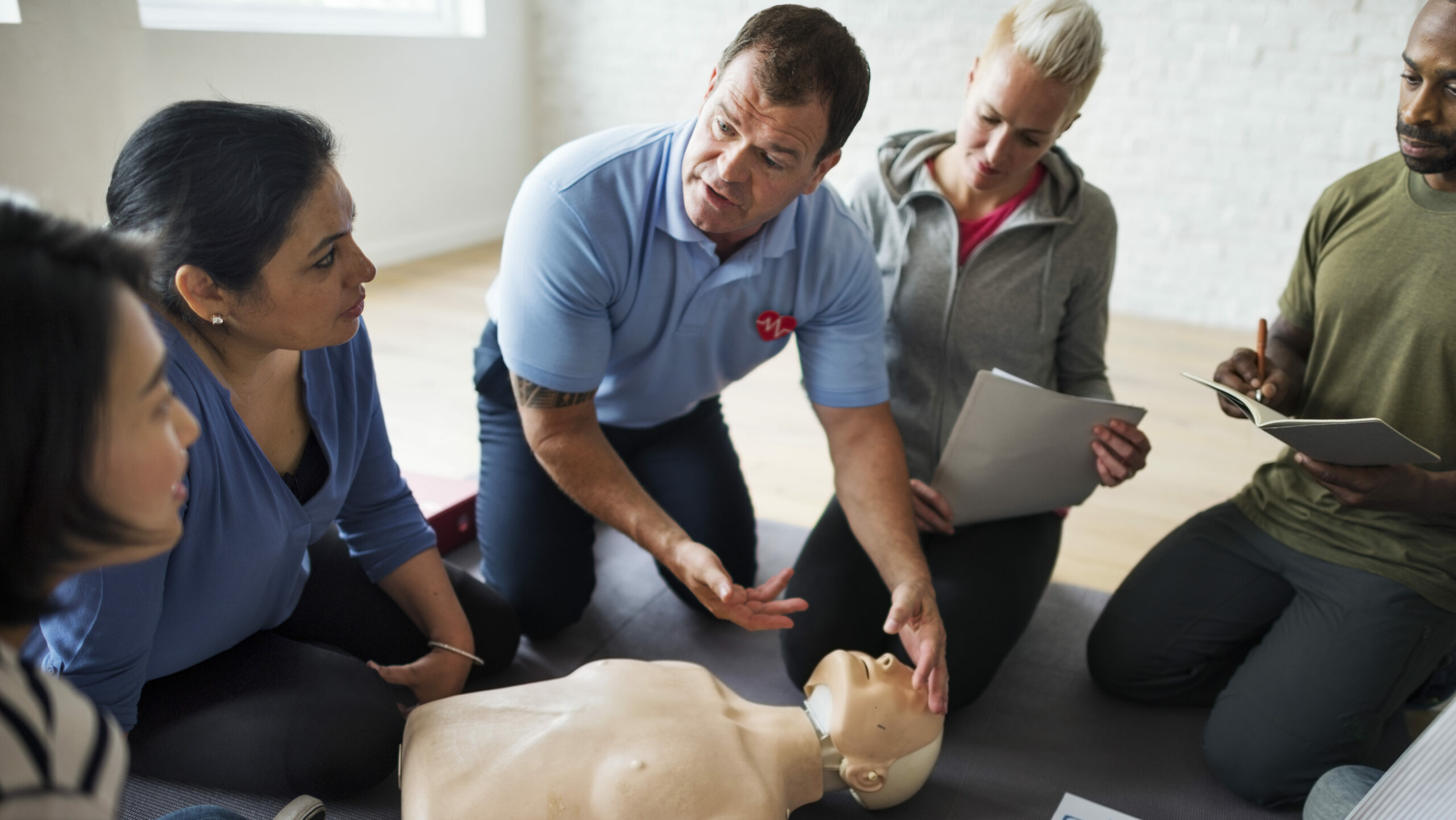
You can strengthen abilities safely outside an official course. Manikin session offered by community centers, work environment drills, and monitored AED familiarisation days all aid. Some providers run brief useful nights where participants revolve with bleeding control, choking response, and compression method. Video resources from trustworthy health organisations can supplement hands-on technique, however they are not substitutes for teacher comments on compression depth and hand placement.
Misconception list: 4 typical myths corrected
- Myth: Mouth-to-mouth is always needed. Truth: Hands-only CPR works for grown-up unexpected cardiac arrest and is more effective for untrained onlookers; rescue breaths stay essential for youngsters and some non-cardiac reasons for arrest. Myth: If someone is breathing they do not need assistance. Truth: Irregular or insufficient breathing can need immediate treatment and monitoring; breathing distress can deteriorate quickly. Myth: Just professionals should touch someone with breast pain. Reality: Immediate bystander assessment, calling emergency situation services, and providing aspirin when encouraged by dispatch or protocol can be lifesaving. Myth: A tourniquet will trigger arm or leg loss. Reality: Correctly applied tourniquets in serious hemorrhage save lives, and limb loss from a tourniquet is rare compared to death from unchecked bleeding.
Finding local courses and following steps
Search for "first aid course Jandakot" or "CPR course Jandakot" and try to find companies that detail national acknowledgment, functional assessment, and instructor qualifications. Contrast class sizes, tools, and situation method. If you require workplace compliance, validate the certificate fulfills your company or regulator demands. For households or community teams, ask if the course includes youngster and baby modules. Finally, prepare for follow-up method. Register for a CPR refresher course Jandakot each year, and timetable hands-on practice sessions for groups who might rely on these skills.
Confidence under pressure
The most constant outcome from well-run training is decreased reluctance. Individuals who have actually practiced skills under mild tension, got corrective comments, and practised changes are far more likely to act emphatically. A first aid training Jandakot session is not about memorizing procedures; it has to do with internalising priorities to ensure that when an occurrence happens you move straight into reliable activity. That confidence is what separates uncertainty from lifesaving care.
If you live or operate in Jandakot and have not yet taken an identified first aid and CPR course, enrol in a session that balances theory with realistic method. Select a supplier that emphasises hands-on discovering, supplies regular refreshers, and prepares participants to take care of the unpleasant facts of emergencies. With clear truths replacing usual myths, you will certainly be ready to help when it matters most.